


Staying SANE as a Lawyer
The Myth
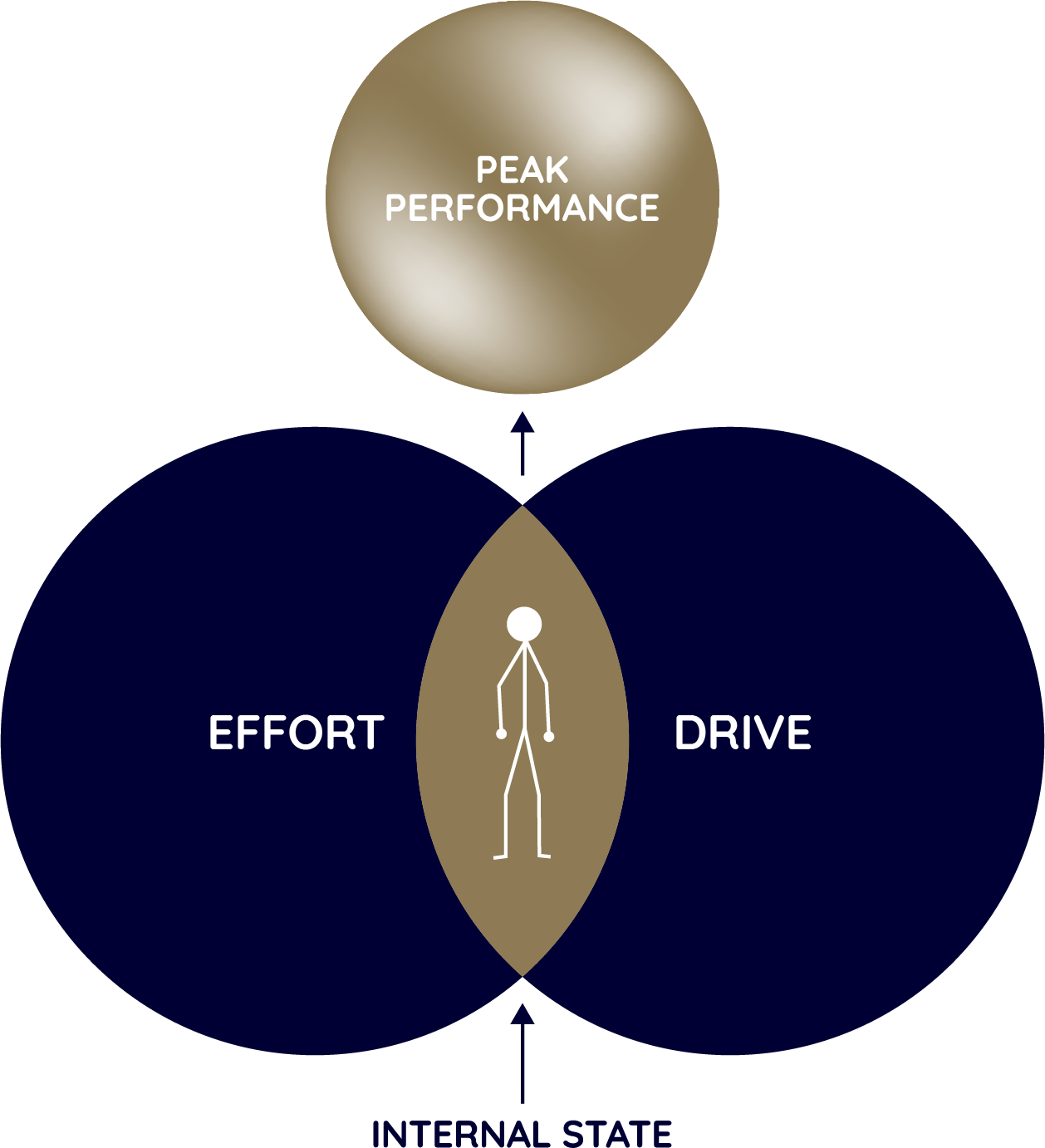
Peak performance means accepting stress as the price of success.
Evidence suggests:
Peak performance is not simply about tolerating pressure. Research from coaching psychology and performance science suggests that sustainable high performance depends upon developing psychological flexibility, effective self-regulation, purposeful recovery and adaptive leadership behaviours, not simply enduring increasing levels of stress.
Many lawyers quietly assume that chronic stress, difficulty switching off, perfectionism, emotional exhaustion or losing confidence are inevitable consequences of a demanding career.
The evidence suggests something different.
While legal practice will always involve challenge, the psychological patterns that often undermine performance are neither inevitable nor necessary.
In this opening session, I introduce the SANE Framework, a practical psychological model developed to help lawyers understand four key foundations of sustainable performance:
Safety – a nervous system that feel safe
Agency – the felt sense that you have the power to lead yourself
Narrative – awareness of the narratives that shape how you do life
Emotional Flexibility – the ability to respond rather than react
Rather than asking how lawyers can become more resilient to unhealthy ways of working, this session explores how understanding these psychological processes can improve judgement, leadership, wellbeing and performance simultaneously.
Further Analysis
Is Stress Really the Price of Success?
Why peak performance in law requires more than endurance.
For many lawyers, there comes a moment when an uncomfortable thought begins to emerge.
“Perhaps this is simply the price of success.”
The long hours.
The inability to switch off.
The constant self-monitoring.
The sense that no matter how much you achieve, the standard keeps moving.
These experiences are so common within the profession, they can begin to feel normal. They become woven into the narrative of what it means to build a successful legal career.
However, just because it is common, it does not necessarily mean inevitable or effective.
One of the most important shifts in our understanding of peak performance over the past two decades has been a move away from asking “How do we help people cope with pressure?” towards a more interesting question:
What psychological conditions allow people to sustain exceptional performance over time?
The distinction matters.
The first assumes that pressure is the problem to be endured.
The second asks what enables people to continue thinking clearly, making sound decisions and leading effectively in environments where pressure will always exist.
For lawyers, that is a much more useful question.
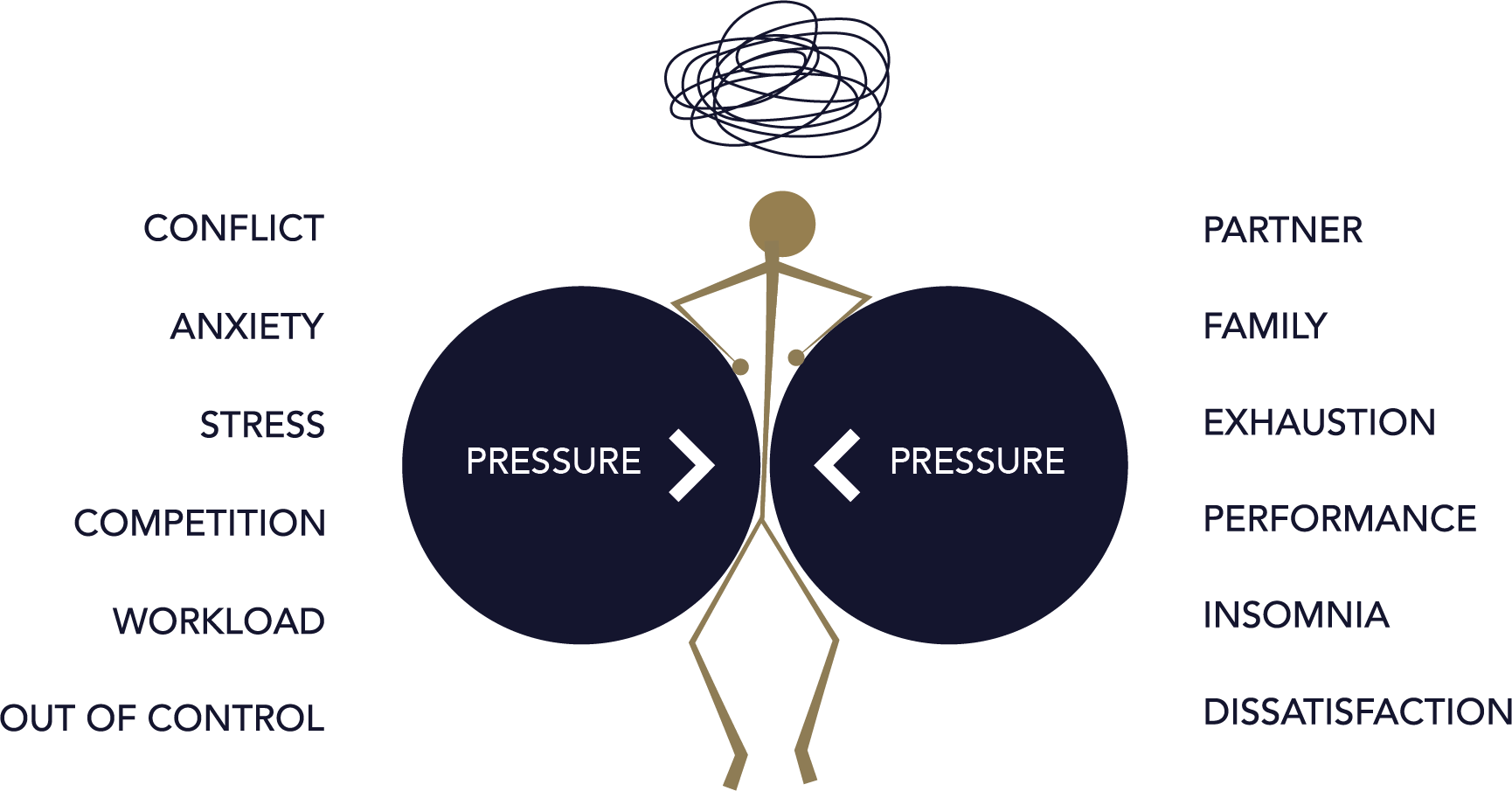
High performance is not the same as sustainable peak performance
The legal profession is remarkably good at developing technical expertise.
It rewards precision.
Intellectual rigour.
Analytical thinking.
Commitment.
These qualities matter enormously.
However, research consistently suggests that technical expertise alone does not explain sustained peak performance.
Studies of expert performers across medicine, business, sport and leadership increasingly point towards a broader set of psychological capabilities, including self-regulation, psychological flexibility, emotional awareness, purposeful recovery, adaptability and the ability to continue learning under pressure.
This is one of the central ideas explored by Brad Stulberg and Steve Magness in Peak Performance. They argue that exceptional performance is not achieved simply by working harder. Instead, it depends upon cycles of deliberate challenge followed by equally deliberate recovery.
We know that growth is stressful. It is meant to be. But growth also requires conscious adaptation as we move through it, if that stress is to take us somewhere different.
Without this adaptation, stress gradually stops producing improvement and instead begins to narrow thinking, reduce creativity and impair judgement.
For lawyers, understanding the relationship between stress, adaptation and growth is particularly important. Lawyers are often exceptionally good at tolerating stress while continuing to perform at a high level. What can be harder is recognising the adaptation that growth requires or even recognising the growth they are already experiencing.
Without that awareness, they can be left with the experience of being stressed, rather than the experience of developing through stress.
The perfectionism paradox
Thomas Curran’s work on perfectionism has highlighted an important cultural shift.
Across many professions, socially prescribed perfectionism, the belief that others expect flawless performance, has increased significantly.
Law has long attracted individuals with exceptionally high standards.
High standards are not the problem.
Indeed, conscientiousness remains one of the strongest predictors of professional success.
The difficulty arises when excellence gradually becomes confused with worth.
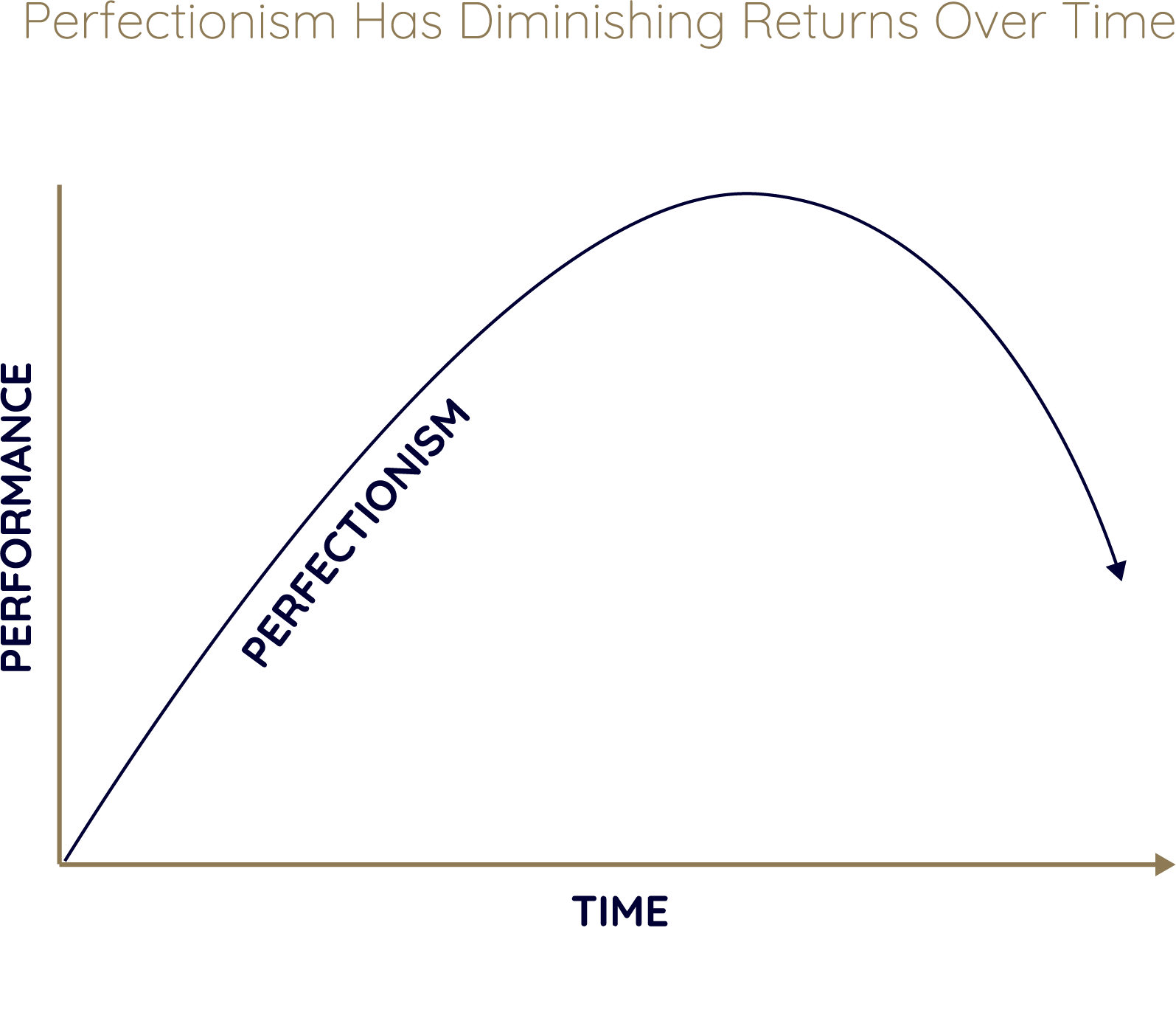
When mistakes begin to feel like evidence of personal inadequacy rather than opportunities for learning, psychological resources become increasingly devoted to avoiding failure instead of pursuing mastery.
In The Perfectionist Trap, Thomas Curran argues that perfectionism is not simply about striving for excellence. It is often about striving for acceptance, certainty or safety.
That distinction matters because the internal experience becomes fundamentally different.
Instead of asking:
“How can I do this well?”
The question quietly becomes:
“What happens if I don’t?”
The body responds accordingly.
From the perspective of the nervous system, repeated experiences of evaluation, uncertainty, criticism or perceived failure can begin to shape expectations.
Over time, the brain becomes increasingly efficient at predicting situations that might require heightened vigilance which can eventually turn into hypervigilance and over-thinking and begin to negatively impact judgement and risk.
Beyond resilience
Conversations about lawyer wellbeing often emphasise resilience.
Resilience is undoubtedly valuable.
However, resilience is sometimes misunderstood as the ability to tolerate increasingly unhealthy patterns indefinitely.
True resilience is not endless endurance.
It includes the capacity to recognise when an existing strategy is no longer serving you.
It requires psychological flexibility.
Coaching psychology consistently identifies flexibility as one of the defining characteristics of effective adaptation.
Rather than relying on increasingly rigid responses, psychologically flexible individuals remain able to notice changing demands and adjust accordingly.
This becomes particularly important as lawyers move into positions of greater leadership.
The strategies that made an exceptional associate do not always make an exceptional partner.
Leadership frequently requires different psychological skills.
Delegation instead of control.
Discernment instead of constant availability.
Influence instead of proving competence.
Practical resource
One of the ideas introduced in the webinar is that many successful lawyers rely on perfectionism as a way of maintaining high standards. Often driving the perfectionism is a harsh inner critic. While this strategy can initially drive achievement, over time it often becomes one of the very factors that undermines confidence, decision-making and sustainable performance.
Befriending Your Inner Critic
This resource introduces ways of understanding self-critical thinking and offers reflective exercises designed to help you develop a more balanced and effective internal dialogue.
